- HOME
- Departments & Centers
- Palliative Medicine
Palliative Medicine
Message from the representative
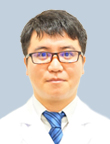
KESSOKU, Takaomi, M.D., Ph. D.
Physician-in-chief, Palliative Medicine
Associate Professor
What kind of suffering does a person experience when faced with a life-threatening illness?
Beyond physical pain and discomfort, various things likely come to mind: emotional distress, a crisis of daily life, financial worries, and concerns about being a burden to family members. Furthermore, when confronted with the possibility of death, one experiences profound anguish regarding life itself and way of living.
Modern medicine has made remarkable progress, developing treatments for many intractable diseases and extending average life expectancy. At the same time, the number of patients living with illness continues to increase as society ages and faces higher mortality rates. Not only for cancer but also for non-cancer conditions, improving the quality of life during treatment has become a key priority. There is a growing need to establish systems that provide seamless palliative care from early stages through the end of life.
On August 1, 2022, our hospital established a new department of Palliative Medicine to provide specialized palliative care for all patients.
- For patients suffering from symptoms such as pain or shortness of breath
- For patients unsure how to manage daily life
- For patients concerned about where they will receive care in the future
Our staff and palliative care team will do everything possible to support you.
Philosophy and goals
Regardless of whether the illness is cancer or non-cancer, our guiding principle is: “To provide palliative care that leverages expertise and team-based medicine for all patients and their families, aiming to achieve the best possible quality of life (QOL).” In line with this philosophy, we have set the following four goals, known as the 4Cs:
Control: Early and effective symptom relief
Communication: Support for decision-making, respect for patient values, and advanced care planning
Coordination: Multidisciplinary collaboration
Collaboration: Strong partnership with community resources
Through these efforts, we strive to deliver specialized palliative care and help patients achieve the highest possible QOL.
Main target diseases
All patients living with serious illness
Highlights of the department
The department of Palliative Medicine offers two core functions:
Palliative Care Outpatient Clinic and Palliative Care Team, composed of physicians, nurses, pharmacists, physical and occupational therapists, dietitians, medical social workers, and administrative staff.
We provide care for all patients, regardless of whether they have cancer or non-cancer conditions. In addition, we offer support for hospitalized cancer patients through our palliative care team and outpatient services.
Regarding visits to the department of Palliative Medicine for patients not currently under our hospital’s care (a flow of consultation)
-
Schedule an appointment with the relevant clinical department
Bring a referral letter from your medical institution
(Examples)
Lung cancer
→ Pulmonology department
Colorectral cancer
→ Gastroenterology department
Kidney cancer
→ Renal and Urological Surgery department
Malignant lymphoma
→ Hematology department -
Your primary physician (based on your conditions) will refer you to the department of Palliative Medicine
-
Visit the department of Palliative Medicine. The department’s physicians will determine whether treatment will be outpatient or inpatient